
Press Releases
- Details
- Category: Press Release

SPRINGFIELD – To remove barriers to education, employment and training for incarcerated individuals with intellectual and developmental disabilities, State Senator Adriane Johnson has advanced House Bill 1810.
“People with disabilities who are incarcerated deserve the same opportunity to learn valuable skills and prepare for the future as anyone else,” said Johnson (D-Buffalo Grove). “Expanding access to education and employment programs promotes dignity, rehabilitation and long-term public safety.”
House Bill 1810 would require reasonable accommodation for incarcerated individuals with intellectual or developmental disabilities, including waiving standardized testing requirements for entry into educational, vocational and work programs. Participation in these programs through a waiver would also qualify individuals for earned sentence credit, helping reduce recidivism and support reintegration.
To be eligible for the waiver, the incarcerated individual must provide documentation such as a prior IEP, a psychological evaluation or other record. If no formal documentation is available, the Department of Corrections may consider providing a waiver if credible evidence of a disability exists, and then assist the individual in obtaining documentation.
To strengthen support within correctional facilities, the bill also would require annual training for Illinois Department of Corrections staff on:
- Identifying individuals with intellectual or developmental disabilities
- Providing appropriate accommodations and support in educational and vocational settings
- Administering alternative assessments
Furthermore, the legislation would establish a grievance process to protect the rights of incarcerated individuals with disabilities who are denied program access or accommodations.
“Education and job training create pathways to independence, stability and successful reentry for individuals with disabilities,” Johnson said. “When we invest in accessible opportunities, we strengthen both lives and communities.”
House Bill 1810 passed the Senate Thursday.
- Details
- Category: Press Release
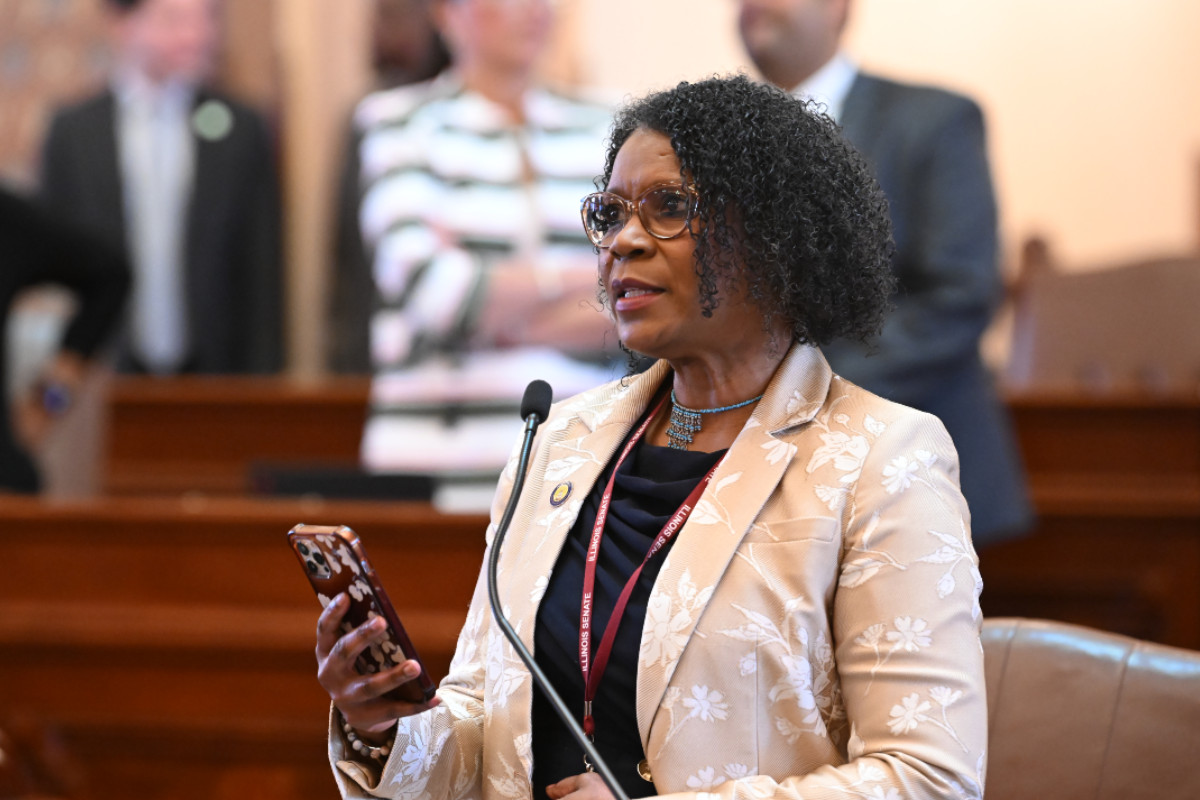
SPRINGFIELD – State Senator Adriane Johnson’s measure to require athletic head coaches to learn life-saving techniques has passed.
“Coaches are often the first adult to respond when a medical emergency happens during a practice or competition,” said Johnson (D-Buffalo Grove). “Knowing how to respond can mean the difference between life and death giving someone experiencing cardiac arrest a critical chance to survive until first responders arrive.”
House Bill 3275 would require all paid school head coaches and chief sponsors of the sports activities to obtain training in CPR, first aid and the use of an AED. School districts would be required to conduct an annual cardiac response drill to practice the steps established in its cardiac emergency response plan. The drills would be able to be conducted without student participation.
According to the American Heart Association an estimated 23,000 children under 18 experience cardiac arrest in the US each year, and 90% of victims die unless someone nearby is trained to respond.
“In a cardiac emergency every second counts,” Johnson said. “Immediate action—including CPR and the use of an AED—can dramatically improve survival rates and give someone the best possible chance at recovery.”
House Bill 3275 passed the Senate Wednesday.
- Details
- Category: Press Release
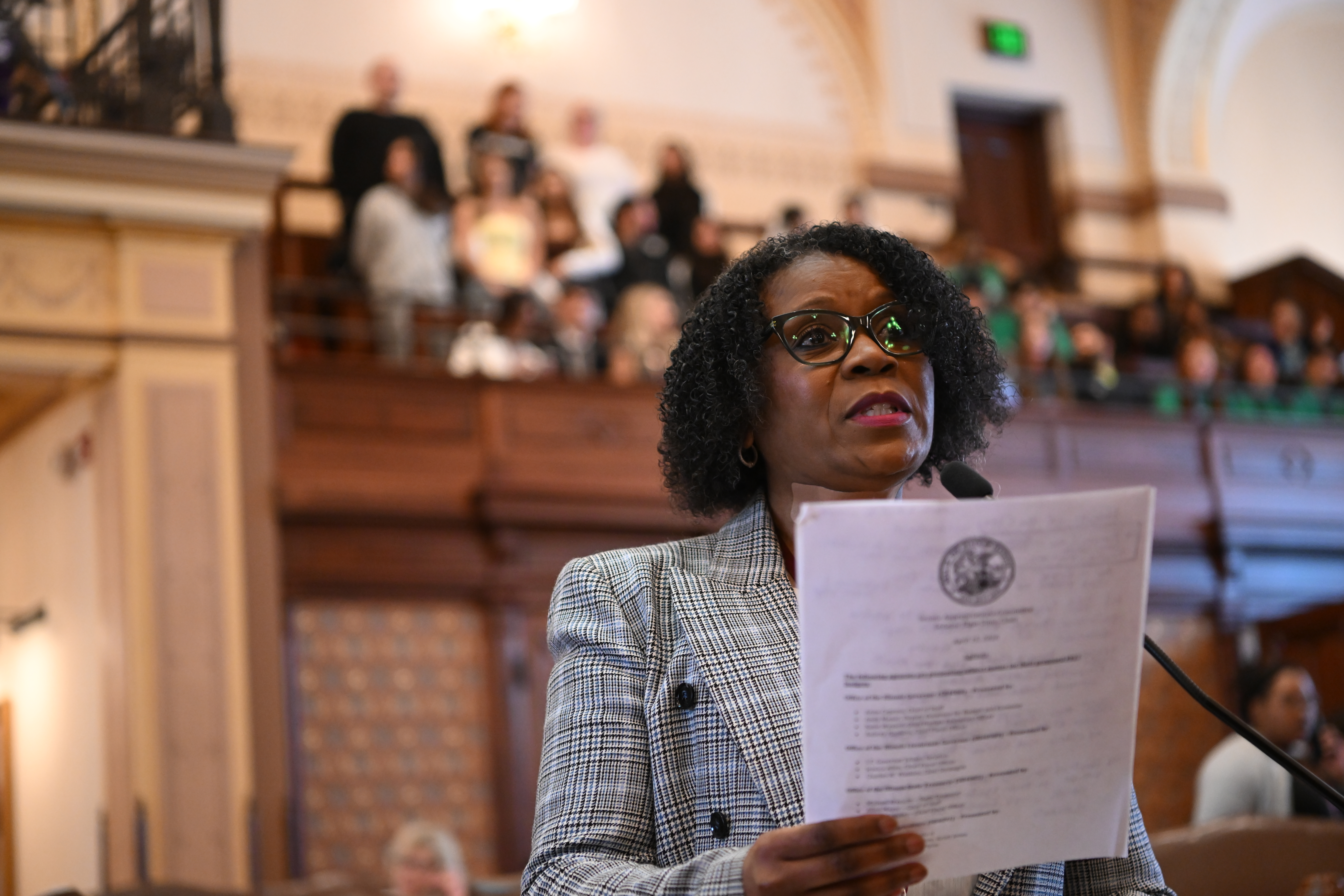
SPRINGFIELD – To protect patient privacy, State Senator Adriane Johnson passed legislation that would remove hormonal medications such as testosterone and estrogen from the Illinois Prescription Monitoring Program.
“A patient’s medical information is deeply personal, and protecting it is essential to preserving trust between individuals and their healthcare providers,” said Johnson (D-Buffalo Grove). “Without that trust, people are less likely to seek the care they need.”
- Details
- Category: Press Release
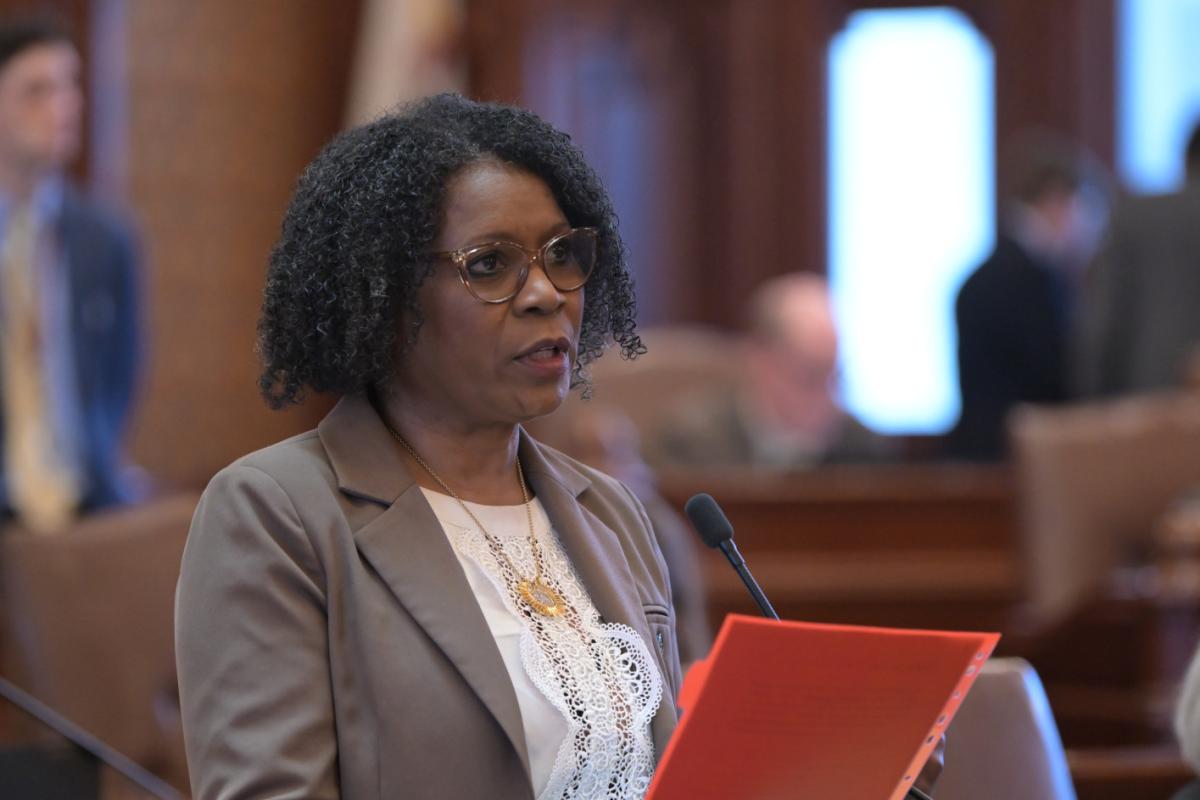
SPRINGFIELD – State Senator Adriane Johnson’s legislation to allow individuals with felony convictions to apply to become a notary has passed the Senate.
“Public safety and accountability go hand in hand with opportunity,” Johnson (D-Buffalo Grove). “With proper standards and oversight, enabling reformed individuals to serve as notaries recognizes growth, responsibility and the value of redemption.”
More Articles …
Page 3 of 78







Follow Sen. Johnson


eNewsletter Signup
Contact Us
Springfield Office:
Stratton Office Building
Section F, Room E
Springfield, IL 62706
217.782.8181
District Offices:
149 S. Genesee St.
Waukegan, IL 60085
847.672.6201
1 Overlook Pt., Suite 520
Lincolnshire, IL 60069
224.352.2849