
Latest News
- Details
- Category: Press Release
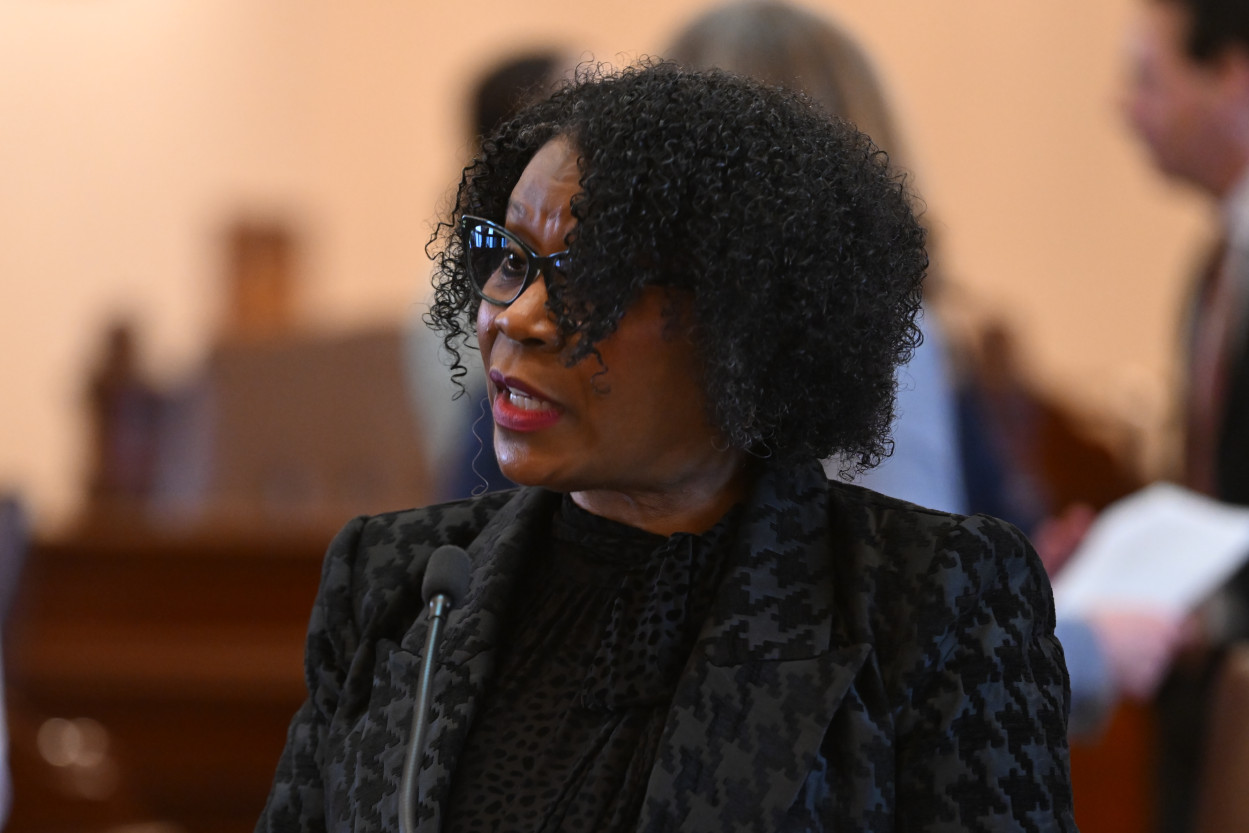
SPRINGFIELD – To strengthen and preserve Illinois’ civil rights protections, State Senator Adriane Johnson passed legislation to better assess whether policies have discriminatory impacts within the Illinois Human Rights Act.
“Equal opportunity requires us to examine how decisions affect people in the real world, not just how they are written on paper,” said Johnson (D-Buffalo Grove). “Disparate impact standards promote accountability and help build more equitable institutions.”
- Details
- Category: Press Release
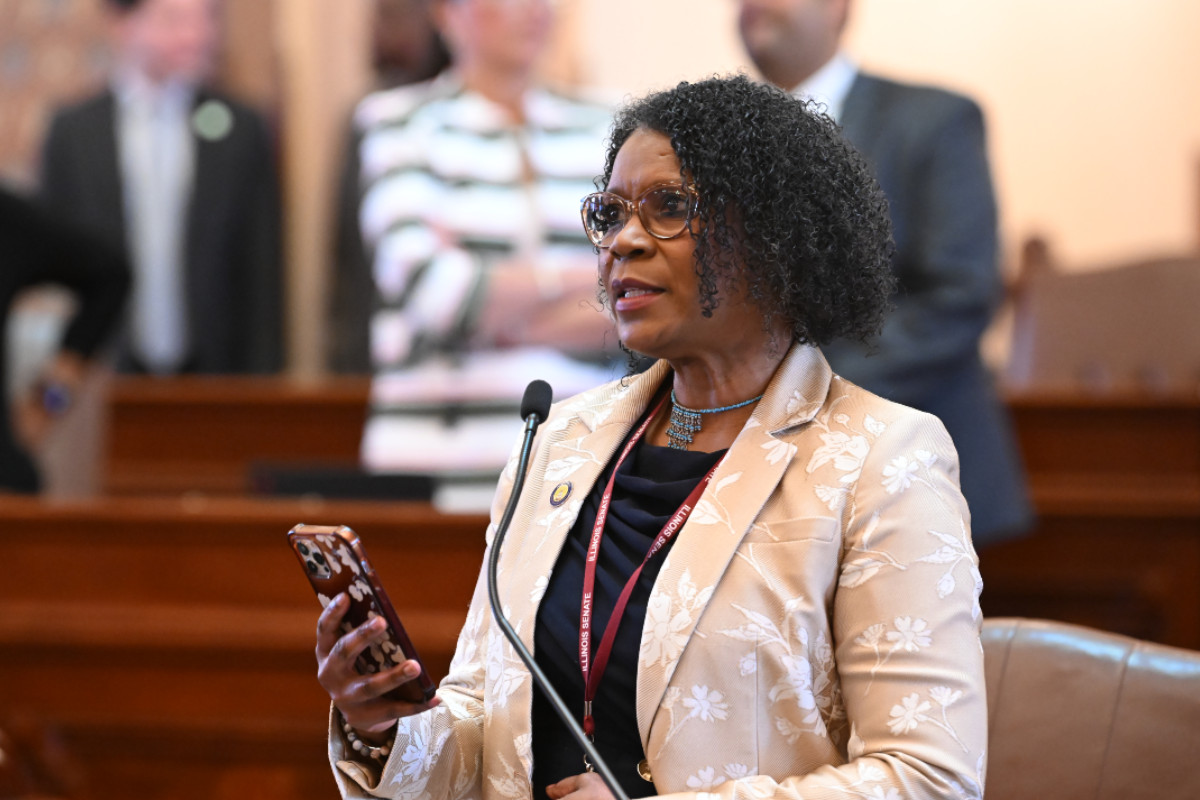
SPRINGFIELD – State Senator Adriane Johnson has passed legislation to ensure students experiencing asthma attacks can access life-saving medication where they are most needed.
“By keeping asthma medication in gyms and practice fields, we allow students to participate in sports and activities without worrying about access to medication,” said Johnson (D-Buffalo Grove). “Quick access to life-saving medication can make all the difference in an emergency.”
- Details
- Category: Press Release
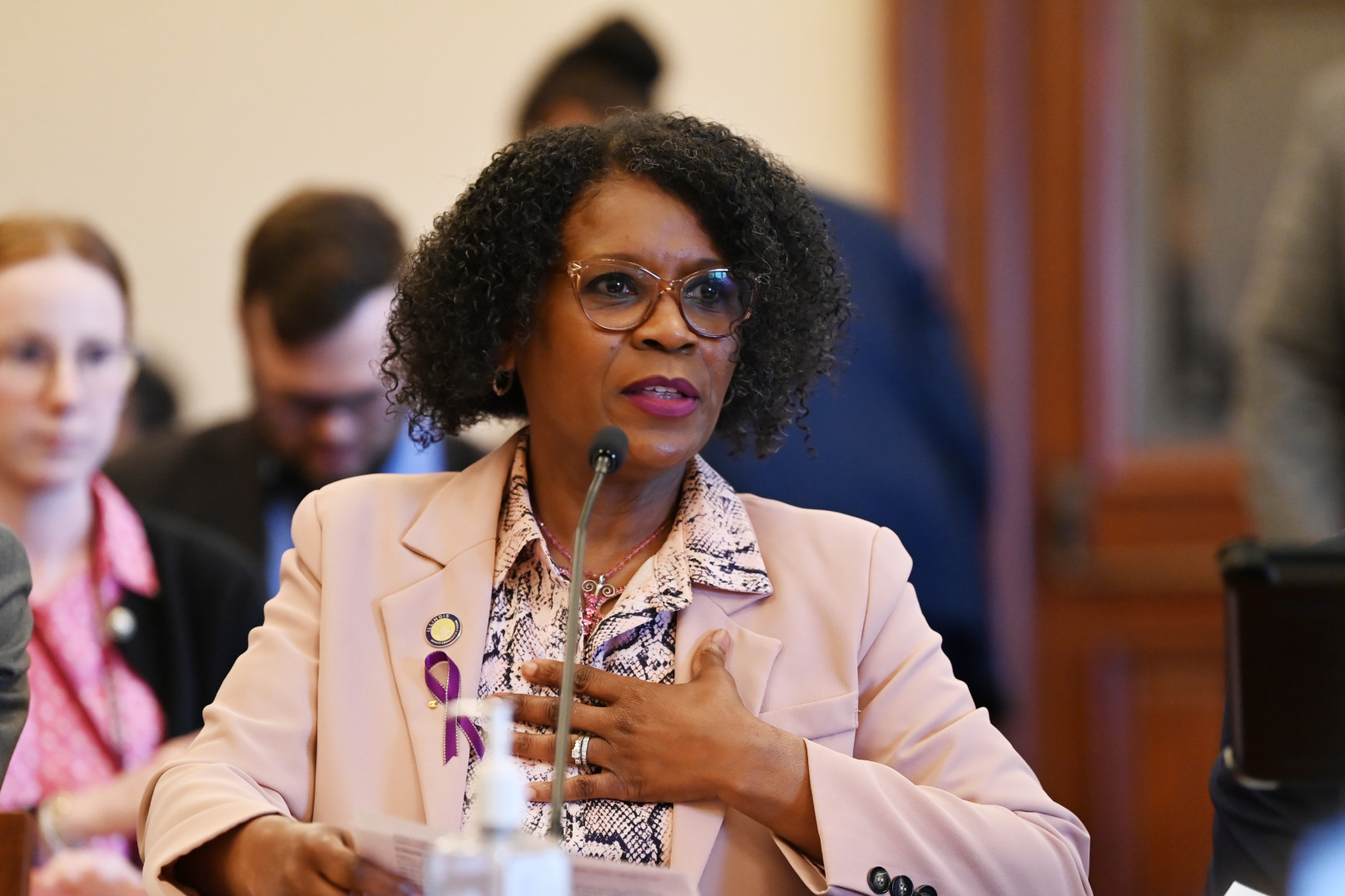
SPRINGFIELD – To highlight the struggles of individuals with allergies and asthma, State Senator Adriane Johnson championed the effort to declare May 2026 as Illinois Asthma and Allergy Awareness Month.
“Millions of children and adults live with asthma and allergies every day, yet these conditions are often overlooked or misunderstood,” said Johnson (D-Buffalo Grove). “Greater awareness leads to better support in schools, workplaces and communities.”
The resolution brings attention to the realities of asthma. Annually there are one million asthma related emergency room visits per year. Asthma claimed over 3,000 lives in 2023 in the United States. The total economic cost of asthma in the United States was $81.9 billion per year from 2008 to 2013, which is approximately $115 billion today when adjusted for inflation.
In addition to the resolution, Johnson is leading House Bill 4247, which would add practice fields and gyms to the list of secure locations that schools may maintain a supply of asthma medication and allows coaches and athletic trainers to administer that medication.
Approximately 21.8 million people in the United States have food allergies, including about 3.9 million children. Children with food allergies are two to four times more likely to have asthma or other allergic diseases. Over the past 20 years, food allergies have increased among children in the United States, with the greatest increase being seen in Black children.
“Raising awareness about asthma and allergies promotes preparedness and compassion,” Johnson said. “When communities understand these conditions, they are better equipped to respond to emergencies and improve quality of life for those affected.”
Senate Resolution 701 was adopted Wednesday.
- Details
- Category: Press Release
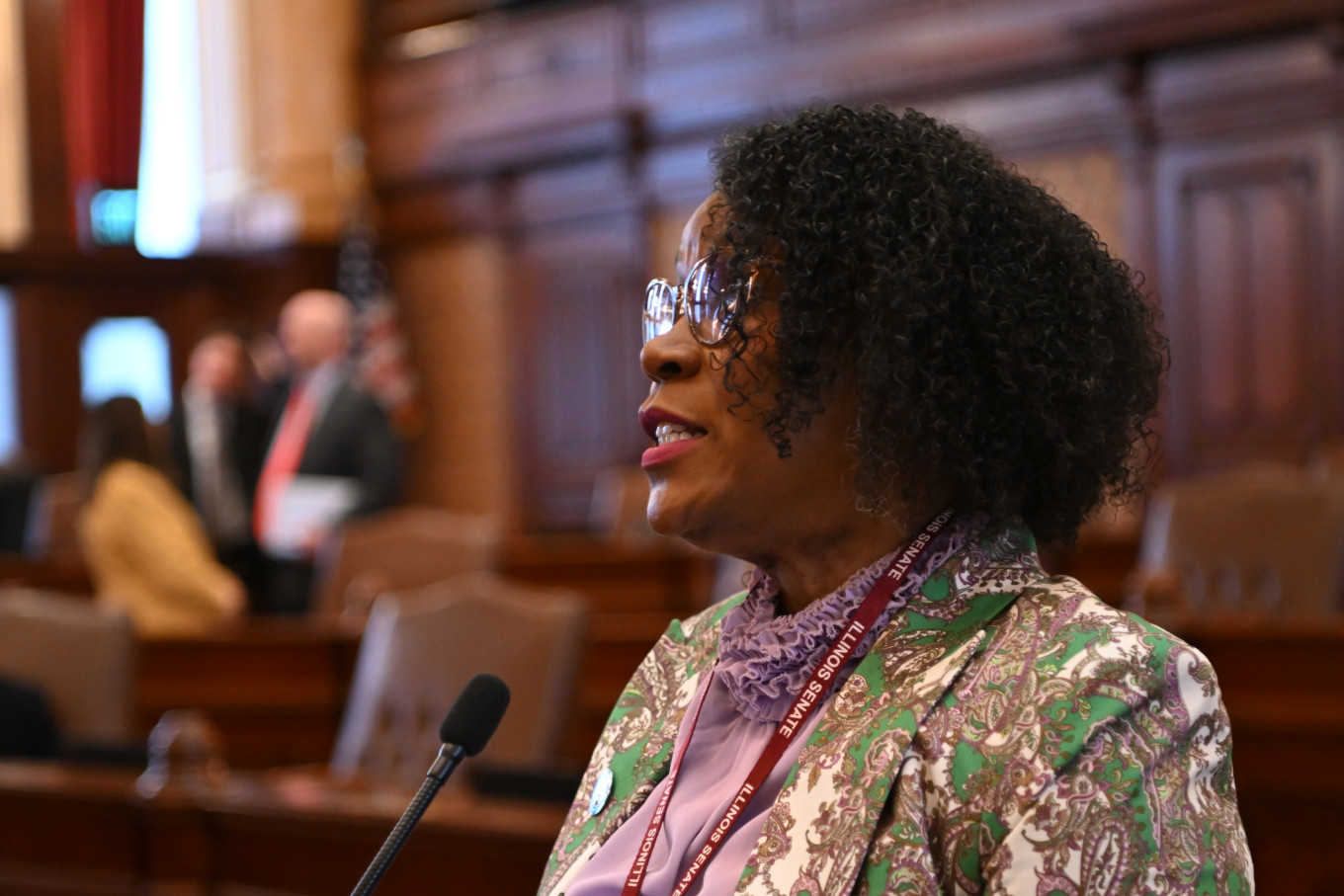
SPRINGFIELD – State Senator Adriane Johnson has advanced legislation that would allow individuals with felony convictions to apply to become a notary.
“Everyone deserves a chance to move on from the mistakes of their past,” Johnson (D-Buffalo Grove). “People are striving to do the best that they can and are precluded from advancing their careers and their lives from past actions.”
Under current law, individuals who have been convicted of a felony cannot apply to become a notary. House Bill 4277 would allow individuals who have completed all requirements of felony sentences to apply to become a notary so long as it has been 10 years since the completion of their sentence.
The measure would only allow the individual to apply for appointment and commission as a notary, it does not guarantee a position. The applicant must still go through the typical process involved in becoming a notary.
House Bill 4277 passed the Senate Judiciary Committee on Wednesday.
More Articles …
Page 6 of 88







Follow Sen. Johnson


eNewsletter Signup
Contact Us
Springfield Office:
Stratton Office Building
Section F, Room E
Springfield, IL 62706
217.782.8181
District Offices:
149 S. Genesee St.
Waukegan, IL 60085
847.672.6201
1 Overlook Pt., Suite 520
Lincolnshire, IL 60069
224.352.2849